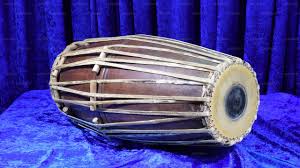
Mridangam
The Mridangam is the primary percussion instrument in Carnatic classical music and is often called the “king of drums.†Shaped like a barrel, it has two drumheads of different sizes that produce distinct tones — one deep and resonant, the other sharp and bright. Traditionally made from jackwood and covered with multiple layers of leather, its construction gives it a rich, balanced sound. The right head is tuned to the tonic note of the main performer, blending rhythm with melody. The Mridangam is played with both hands, using a combination of strokes that create intricate rhythmic patterns called tala. It requires not just speed and precision, but also a deep understanding of rhythm and timing. Often used to accompany vocalists, instrumentalists, and dancers, it brings energy and life to every performance. Over centuries, great masters have elevated the Mridangam into an art form of its own. Its sound represents the heartbeat of South Indian music, combining tradition, skill, and devotion.