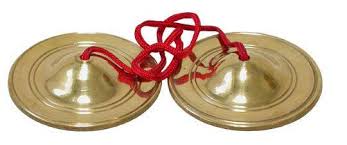
Jalra
The Jalra, also known as Taal or Manjira in different regions, is a small but powerful percussion instrument that plays a vital role in Indian devotional and folk traditions. It consists of two round, concave metal discs connected by a cord or thread. When struck together, they produce a sharp, resonant ringing tone that cuts through other sounds and keeps the rhythm alive. Commonly used in bhajans, temple rituals, and folk performances, the Jalra is often played alongside instruments like the mridangam or harmonium. Its timing and tempo help singers maintain the beat, making it an essential rhythmic guide. Despite its simplicity, mastering the Jalra requires a good sense of rhythm and timing. The metal’s resonance gives the music a divine and uplifting feel, enhancing the devotional mood of the performance. Traditionally made from brass or bronze, the Jalra is valued for both its durability and its spiritual association. With every chime, it connects the listener to a sense of peace, energy, and devotion — a symbol of rhythm in prayer and celebration.